The Impact of Gaming on Children's Academic Performance
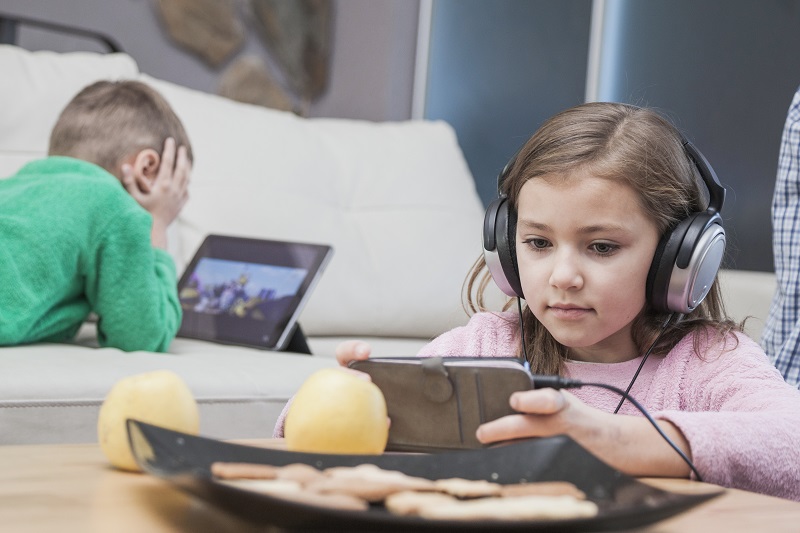
When you think about how much time kids spend gaming, you might wonder if it’s helping or hurting their grades. You’ve probably heard mixed opinions—some say video games boost brain power, others warn they’re just a distraction. The truth isn’t black and white. You’ll want to know how game types, play time, and what’s actually happening on those screens all play into a child’s success in school.
Positive Effects of Video Games on Learning
Video games can offer interactive educational experiences that help develop skills such as problem-solving, strategic planning, and language acquisition. Educational games like "Math Blaster" or "Reader Rabbit" can support cognitive skill development, which may contribute positively to academic performance.
Digital games designed for learning are found to enhance spatial skills, attention, and working memory—abilities that are important for success in subjects like math and reading. Aligning game content with educational curricula can reinforce learned concepts, encourage self-directed learning, and foster creativity.
These digital experiences often provide intrinsic motivation, making the learning process more engaging. Playing educational games can thus strengthen problem-solving skills and foundational abilities that are crucial for academic achievement.
Negative Consequences of Excessive Gaming
While video games can offer educational opportunities, excessive gaming can negatively impact children's academic performance. Spending too much time on gaming can reduce the time available for studying or completing homework, often leading to lower test scores, particularly in subjects such as math and reading.
Additionally, excessive gaming is associated with sleep deprivation, which can impair concentration and memory retention, both critical for learning. This lack of adequate rest can also contribute to behavioral challenges, increased distraction, and reduced motivation for academic activities.
Over a prolonged period, excessive gaming may result in social isolation, decreasing opportunities for participation in group activities and the development of friendships.
The Role of Game Content in Academic Achievement
Different types of video games can have varying impacts on academic performance. Educational games, such as Math Blaster or Reader Rabbit, are designed to enhance cognitive skills and support academic achievement. Such games are associated with improved school performance due to their focus on developing specific educational skills.
In contrast, research has found that playing violent video games can be linked to lower academic competence and increased difficulties in school. The content of the games is a significant factor: non-violent, educational games are more likely to maintain or enhance academic achievement, whereas violent games may have the opposite effect.
Therefore, selecting games with educational content can be a prudent choice for supporting academic success.
Influence of Single-Player vs. Multi-Player Gameplay
When examining the impact of video games on children, the distinction between single-player and multi-player modes is significant in relation to academic outcomes. Evidence suggests that frequent engagement in multi-player game modes may negatively affect academic performance, including reading skills and overall achievement.
This effect is particularly pronounced for students already facing academic challenges. This mode of gaming raises concerns regarding its potential effects on children's mental health and concentration.
Conversely, single-player games don't appear to pose the same risks. Studies indicate that these games may support or even improve cognitive skills without detrimental effects on academic performance.
Correlation Between Gaming Habits and School Performance
Analyzing the relationship between gaming habits and academic performance reveals several key findings. Engaging in video games for more than an hour daily generally doesn't negatively impact academic outcomes, assuming the gaming is done in moderation.
However, extensive participation in multi-player games is linked to lower reading scores and decreased overall scholastic achievement, particularly for students who already face academic challenges.
The type of game content also plays a significant role; violent games are associated with poorer school performance, whereas educational games don't exhibit a detrimental effect.
Cognitive Benefits Linked to Moderate Video Game Use
Research indicates that moderate video game use can contribute positively to the development of cognitive skills in children. Encouraging balanced gaming habits may support the enhancement of executive functions such as attention and working memory, which are crucial for academic success.
Action-oriented games have been found to improve spatial abilities, while educational games like Math Blaster can aid in developing problem-solving skills and language comprehension.
Studies have shown that moderate gaming can yield long-term cognitive benefits, whereas excessive gaming may have detrimental effects. These cognitive improvements, including enhanced decision-making and academic skills, can also have positive implications for mental health.
When gaming is practiced in moderation, its effects can support a child's learning and overall development.
The Importance of Parental Monitoring and Moderation
Video games can offer cognitive benefits; however, parental monitoring is essential to ensure gaming doesn't negatively impact a child's academic performance.
By overseeing gaming habits and setting limits on gaming time, parents can help their child maintain a balanced schedule that includes adequate time for study. It's important to select age-appropriate game content and remain aware of potential risks to guide children toward responsible gaming.
Direct parental involvement and open discussions about gaming experiences can contribute to forming positive attitudes and reinforcing academic priorities. It's also beneficial to discuss and introduce hobbies to replace gaming, encouraging children to explore alternative activities that support their growth and interests.
Effective parental monitoring can prevent excessive gaming, promote healthy decision-making, and safeguard a child's academic performance both currently and in the future.
Conclusion
As you guide your child’s gaming habits, remember that balance is everything. Embracing educational and age-appropriate games can actually boost your child’s cognitive skills and motivation, helping them excel academically. But don’t overlook the risks of excessive or violent gameplay—those can hurt grades and well-being. By staying involved, encouraging breaks, and choosing the right content together, you empower your child to enjoy gaming’s benefits while keeping their academic performance and development on track.